
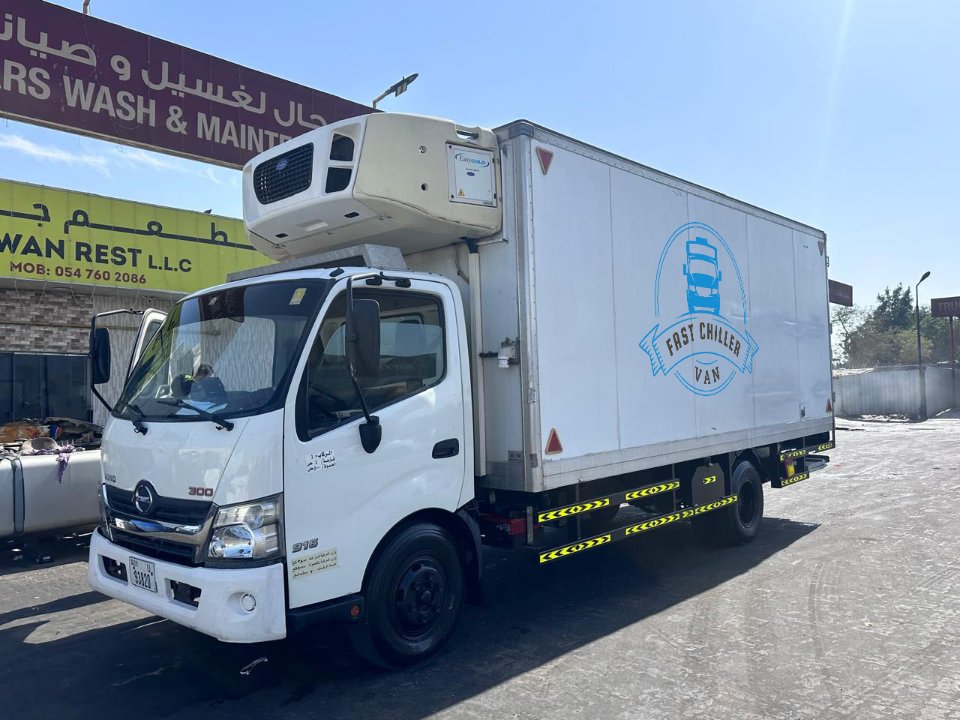
Many businesses begin with smaller refrigerated vans, but as delivery volumes increase, limitations in space, airflow, and temperature stability become more noticeable. This practical guide explains when using a chiller truck becomes the more reliable choice for temperature-controlled deliveries. Based on real cold-chain operations, it covers how load size, delivery distance, and handling requirements affect cooling performance. Understanding these factors helps businesses reduce spoilage risk, maintain consistent +2°C to +5°C conditions, and plan chilled transport more efficiently as operations scale beyond light, short-route deliveries.
Why Vehicle Choice Determines Safe and Efficient Chilled Deliveries
Choosing the wrong refrigerated vehicle can lead to spoiled goods, delayed deliveries, and compliance issues. While chiller vans or freezer vans are suitable for small loads, larger shipments demand a chiller truck for reliable performance. Key factors to consider include:
- Load capacity limits – vans may struggle with bulk pallets
- Consistent temperature control – larger cargo needs steady +2°C to +5°C
- Route efficiency – trucks handle multi-stop or long-distance deliveries better
Selecting the right vehicle ensures safe, timely, and efficient cold-chain opera
Load Volume and Its Effect on Chilled Transport Efficiency
As shipments grow, the cooling efficiency of smaller vehicles like chiller vans or freezer vans often drops, causing uneven airflow and product risks. A chiller truck (or fridge truck) is designed to handle bulk cargo, allowing even circulation and preventing pressure points. Businesses should assess pallet count, stacking patterns, and compartment distribution to maintain product quality throughout multi-stop deliveries.
When Chiller Vans Reach Their Limits
Chiller vans are suitable for small, local deliveries, but they struggle with larger or more complex shipments. Multi-stop routes, palletized cargo, and extended journeys can compromise efficiency and product safety. In these situations, a chiller truck provides the capacity, airflow, and reliability needed for consistent chilled transport. Businesses managing smaller temperature-controlled deliveries can still use a van, while heavier loads require the larger vehicle.
Why Bulk Chilled Goods Need Larger Refrigerated Vehicles
Large shipments, often ranging from 3 to 10 tons, such as catering trays, retail cartons, and food pallets, require uninterrupted airflow to stay fresh. Smaller vehicles cannot handle this volume efficiently. Using a chiller truck ensures safe, consistent chilled conditions throughout transport. For handling heavy loads reliably, businesses rely on bulk chilled transport solutions.
Temperature Challenges in High-Volume Chilled Deliveries
As shipment sizes grow, ensuring even cooling throughout the cargo becomes more difficult. Smaller vehicles may experience uneven airflow, risking spoilage of sensitive products. A chiller truck is engineered to manage large loads, maintaining consistent conditions and proper ventilation across pallets. Businesses can optimize multi-stop routes and stacking arrangements to preserve quality and support reliable large-scale chilled operations.
Meeting Regulatory Requirements for Large Chilled Deliveries in the UAE
Transporting temperature-sensitive products in Dubai and Abu Dhabi demands accurate documentation and compliance with health regulations. For larger shipments, renting a chiller truck ensures consistent performance, proper monitoring, and adherence to operational standards. Businesses can maintain regulatory confidence, safeguard sensitive goods, and streamline logistics for high-volume deliveries while minimizing risks associated with smaller vehicles.
Understanding When Frozen Goods Need a Specialized Transport Solution
Certain deliveries, such as ice cream, frozen meat, or pharma products, require temperatures well below chilled levels. In Dubai and Abu Dhabi, hiring a freezer truck ensures consistent deep-freeze conditions, preventing spoilage and regulatory issues. Businesses should assess shipment type, volume, and route carefully to determine if chilled or frozen logistics are appropriate. For detailed guidance, refer to deep-freeze transport requirements.
A Practical Checklist to Choose the Right Cold Transport Setup
Choosing the correct cold transport setup requires careful planning. Consider these key factors before dispatch:
- Load capacity – ensure the vehicle can handle bulk or multi-pallet shipments
- Route planning – factor in multi-stop deliveries and traffic in Dubai and Abu Dhabi
- Cargo handling needs – fragile or stacked goods may require specialized arrangements
- Compliance requirements – confirm documentation and temperature monitoring
For high-volume operations, opting for larger chilled delivery vehicles ensures efficiency and product safety.
Planning Scalable Cold Transport for Growing Businesses
As your business expands, the demands on refrigerated logistics evolve. Anticipating shipment size, route complexity, and handling requirements helps maintain product integrity and operational efficiency. Strategic planning with the right vehicle ensures smooth multi-location deliveries and reliable cold-chain performance, setting the foundation for long-term, scalable chilled transport operations.
When should a business choose a chiller truck over a van?
A chiller truck is ideal for large shipments, multi-stop routes, or heavier cargo where airflow and temperature consistency are critical. Smaller chiller or freezer vans may struggle with volume or long-distance deliveries.
How do load size and stacking affect chilled deliveries?
Bulk shipments require careful stacking and spacing to ensure even airflow. Overloading smaller vehicles can compromise cooling performance, whereas a chiller truck accommodates larger volumes without affecting product quality.
What compliance considerations exist for refrigerated transport in Dubai and Abu Dhabi?
Businesses must maintain accurate temperature records, follow food and pharma regulations, and ensure proper vehicle documentation. Renting a chiller truck helps meet these standards efficiently for large-scale chilled deliveries.
When are frozen goods best transported using a freezer truck?
Products like ice cream, frozen meat, and certain pharmaceuticals require deep-freeze temperatures. In such cases, a freezer truck ensures consistent cold storage and reduces spoilage during transit.
What factors should be included in a cold transport checklist?
Evaluate cargo volume, route complexity, handling requirements, vehicle size, and regulatory compliance. A checklist ensures you select the right refrigerated vehicle for reliable and safe deliveries.